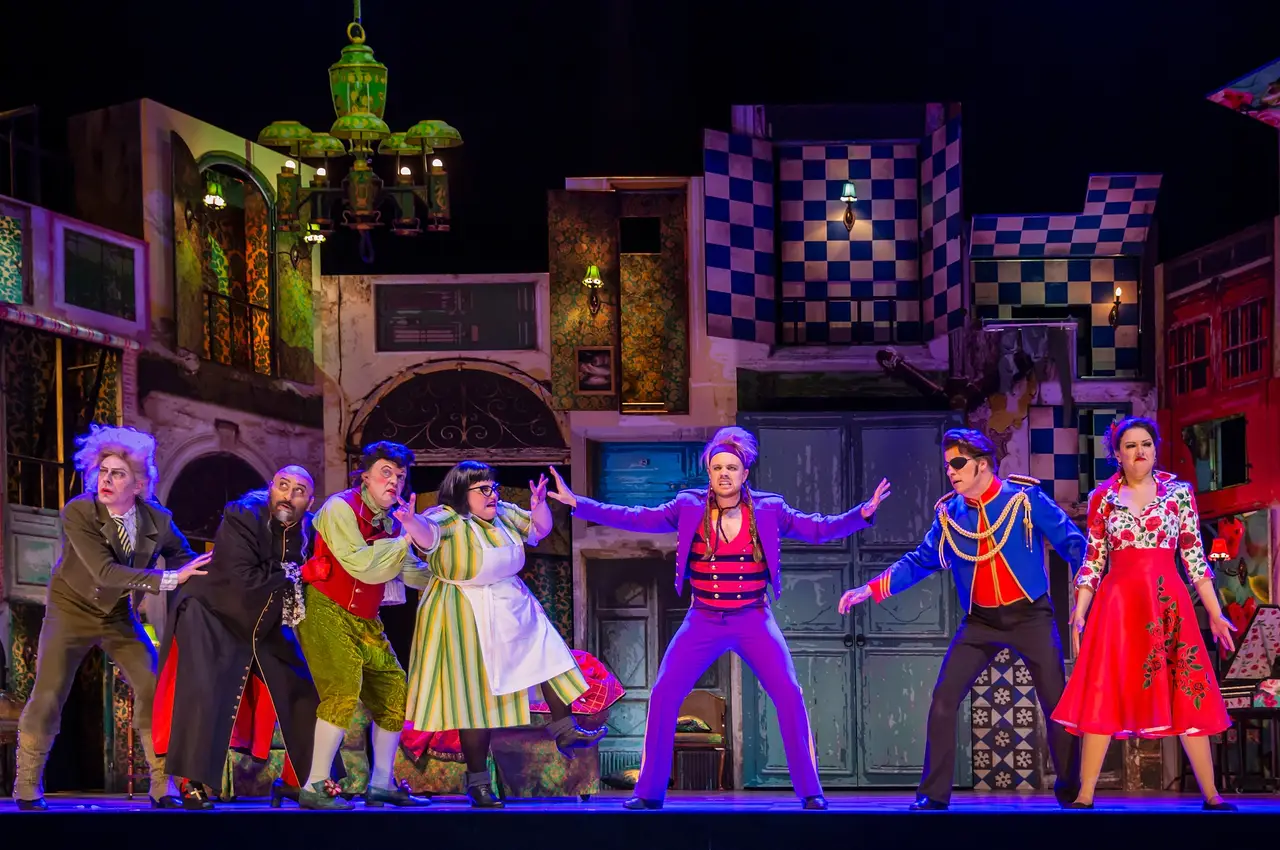
Opera is one of the world's great storytelling artforms.
At its heart, opera combines music, theatre, design and performance to tell human stories. Love, revenge, family drama, comedy, heartbreak, ambition, betrayal, triumph — if it's part of life, it's probably part of an opera.
Whether you're attending your first performance or your fiftieth, here's a guide to understanding what opera is, how it works and why audiences have been captivated by it for more than 400 years.
What is opera?
Opera is storytelling through music.
Unlike a play, where dialogue is spoken, opera uses singing and orchestral music to carry the story. The characters sing their emotions, motivations and conflicts, while the orchestra helps create atmosphere, tension and drama.
Opera combines:
- Music
- Theatre
- Storytelling
- Design
- Movement
- Live performance
Think of it as the original blockbuster artform — where every creative element works together to create an emotional experience.
Where did opera come from?
Opera began in Italy around 1600, when composers and writers started experimenting with ways to combine drama and music into a single artform. The earliest surviving operas were written more than 400 years ago, and the form quickly spread across Europe before becoming a global artform.
Since then, opera has continued to evolve.
Today you'll find:
- Historical masterpieces
- Contemporary Australian works
- New commissions
- Reimagined classics
- Operas inspired by literature, film, history and current events
Opera isn't frozen in time — it's still being written today.
Do I need to understand the language?
No.
Many operas are sung in Italian, French, German or other languages, while others are written in English.
Most modern opera performances use surtitles — translations displayed above the stage — so audiences can easily follow the story as it unfolds.
The most important thing isn't understanding every word. It's connecting with the emotion, music and drama.
How is an opera written?
Every opera begins with a story.
The Libretto - The script of an opera is called a libretto, which literally means "little book". It contains the words that will be sung by the performers.
The Composer - The composer creates the music that brings the story to life. Every melody, orchestral passage and vocal line is carefully crafted to reveal character and emotion.
The Orchestra - The orchestra is much more than accompaniment. It helps tell the story, creates mood, signals danger, heightens romance and often reveals things the characters themselves cannot say.
How does the story move forward?
Opera uses different musical forms to tell a story.
Aria - An aria is a solo song. This is often where a character pauses to express a powerful emotion, reveal an inner conflict or reflect on an important moment. Many of opera's most famous melodies are arias.
Recitative - Recitative is a more speech-like style of singing that moves the plot forward. If an aria is how a character feels, recitative is often what happens next in the story.
Ensemble - When two or more characters sing together, it's called an ensemble. These moments can create some of opera's most exciting dramatic scenes.
Chorus - A chorus is a large group of singers who appear within the story as crowds, communities, soldiers, guests, townspeople or even the voice of society itself.
Why don't opera singers use microphones?
Opera singers are trained to project naturally over a live orchestra. Through years of specialised training, singers develop the technique to fill a theatre with sound without electronic amplification. This unique combination of power, control and endurance is one of the defining features of opera.
Who makes an opera?
Opera is one of the most collaborative artforms in the world.
A single production may involve hundreds of people working together.
On stage
- Principal Artists
The lead performers who sing the major roles. - Chorus Artists
A large ensemble of singers who perform together and help build the world of the story.
Ochestra pit
- Conductor - Leads the performance and brings together singers, orchestra and stage action.
- Orchestra - The musicians who perform the score live at every performance.
Behind the scenes
- Director - Shapes the storytelling and stage action.
- Designers - Create the sets, costumes, lighting and visual world of the production.
- Stage Management Team - Coordinates every rehearsal and performance.
- Technical Teams - Build scenery, manage lighting, sound, costumes, wigs and stage operations.
- Marketing, Office & Admin teams – Assisting the day to day for an opera company
Understanding opera voices
Opera singers are grouped by vocal range.
- Soprano - The highest female voice. Often cast as heroines, lovers or central protagonists.
- Mezzo-Soprano - A lower female voice with a rich, warm tone. Often cast as complex characters, rivals, mothers, mentors or comic figures.
- Contralto - The lowest female voice and one of the rarest voice types.
- Counter Tenor - The highest male voice, for specialised roles.
- Tenor - The traditional male voice. Often cast as romantic leads and heroes.
- Baritone - A middle male voice. Often appears as fathers, authority figures, rivals or antiheroes.
- Bass - The lowest male voice. Often associated with kings, villains, elders or powerful characters.
Opera glossary
- Aria - A solo song that expresses a character's emotions.
- Chorus - A group of singers performing together.
- Conductor - The person who leads the orchestra and coordinates the performance.
- Libretto - The text or script of an opera.
- Orchestra - The musicians who perform the score.
- Overture - The orchestral music heard before the opera begins.
- Recitative - Speech-like singing that advances the story.
- Score - The complete written music of the opera.
- Surtitles - Translations displayed above or beside the stage during a performance.
- Act - A major section of an opera, like acts in a play.
The best way to understand opera?
See it live.
You don't need to know the terminology, understand Italian or recognise every musical reference.
Like any great story, opera works best when you simply allow yourself to be drawn into the experience.
The lights go down. The orchestra begins. The story unfolds.
Everything else follows from there.