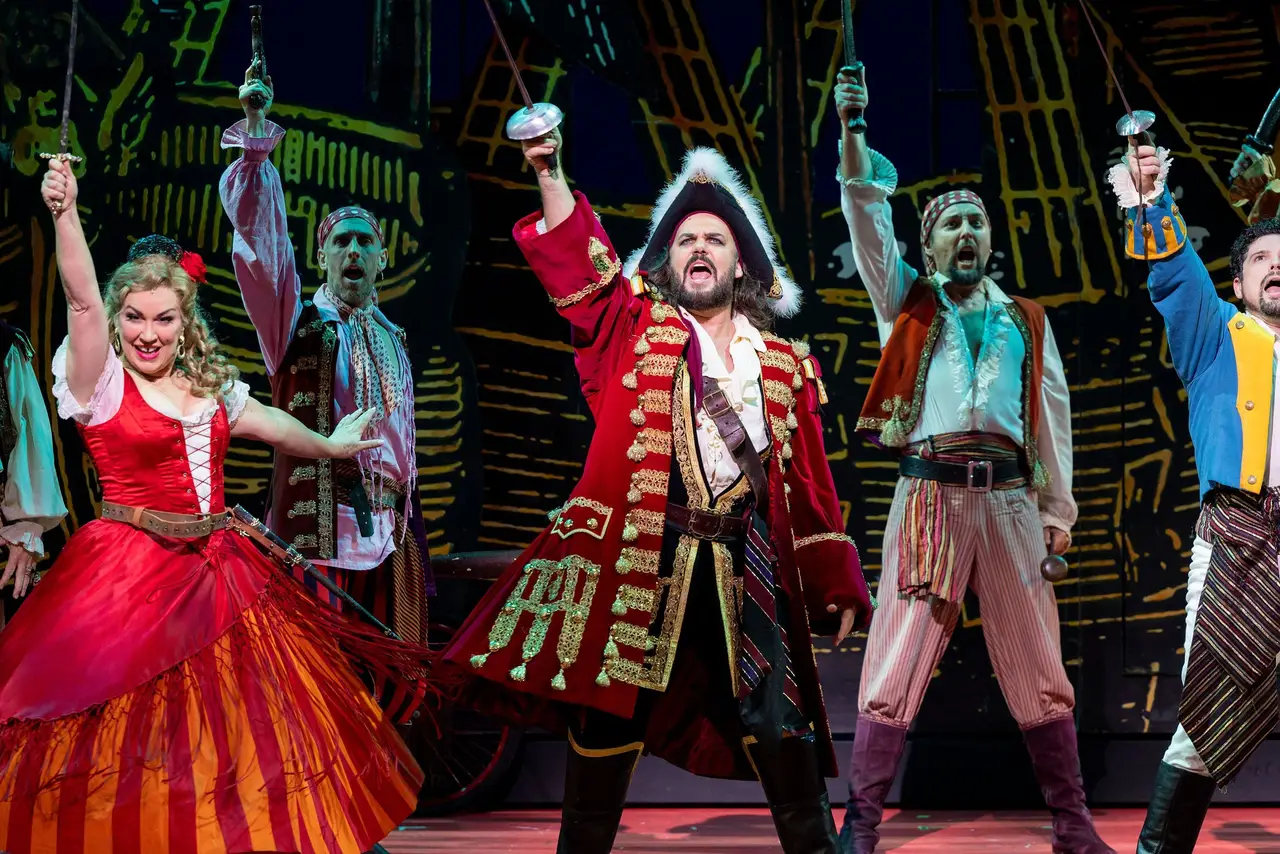
Thinking about coming to the opera but not quite sure what to expect?
You're not alone. Many first-time attendees worry they'll feel out of place, won't understand what's happening.
The truth is, most people attending opera today aren't experts. They're simply looking for a great night out. Here's what you need to know.
I've never been to the opera before. Will I feel out of place?
Not at all.
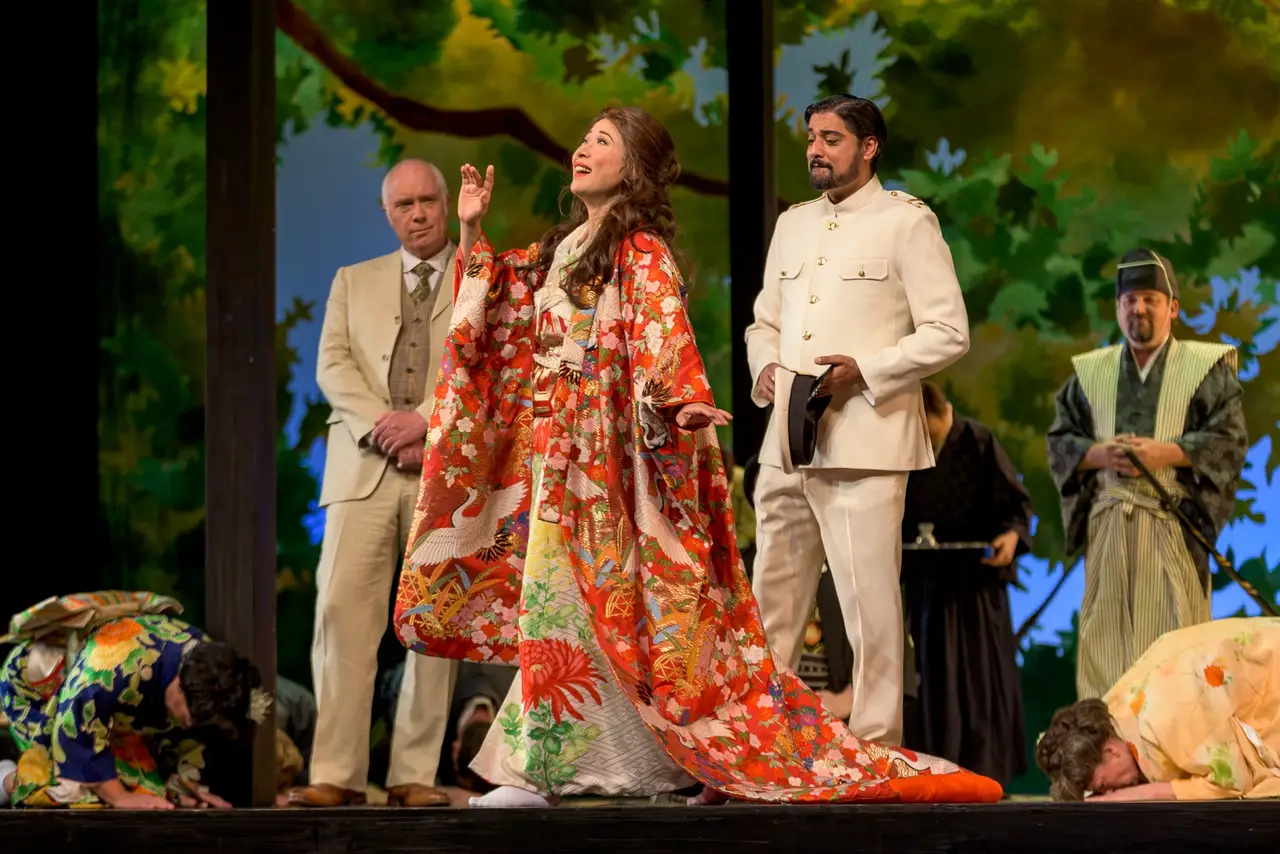
Every performance includes people attending their very first opera. Some come because they love music. Others are there for the story, the spectacle, the costumes, the orchestra or simply a night out with friends.
You don't need any prior knowledge to enjoy the experience.
If you've ever watched a film, attended a concert or gone to the theatre, you're already well prepared for opera.
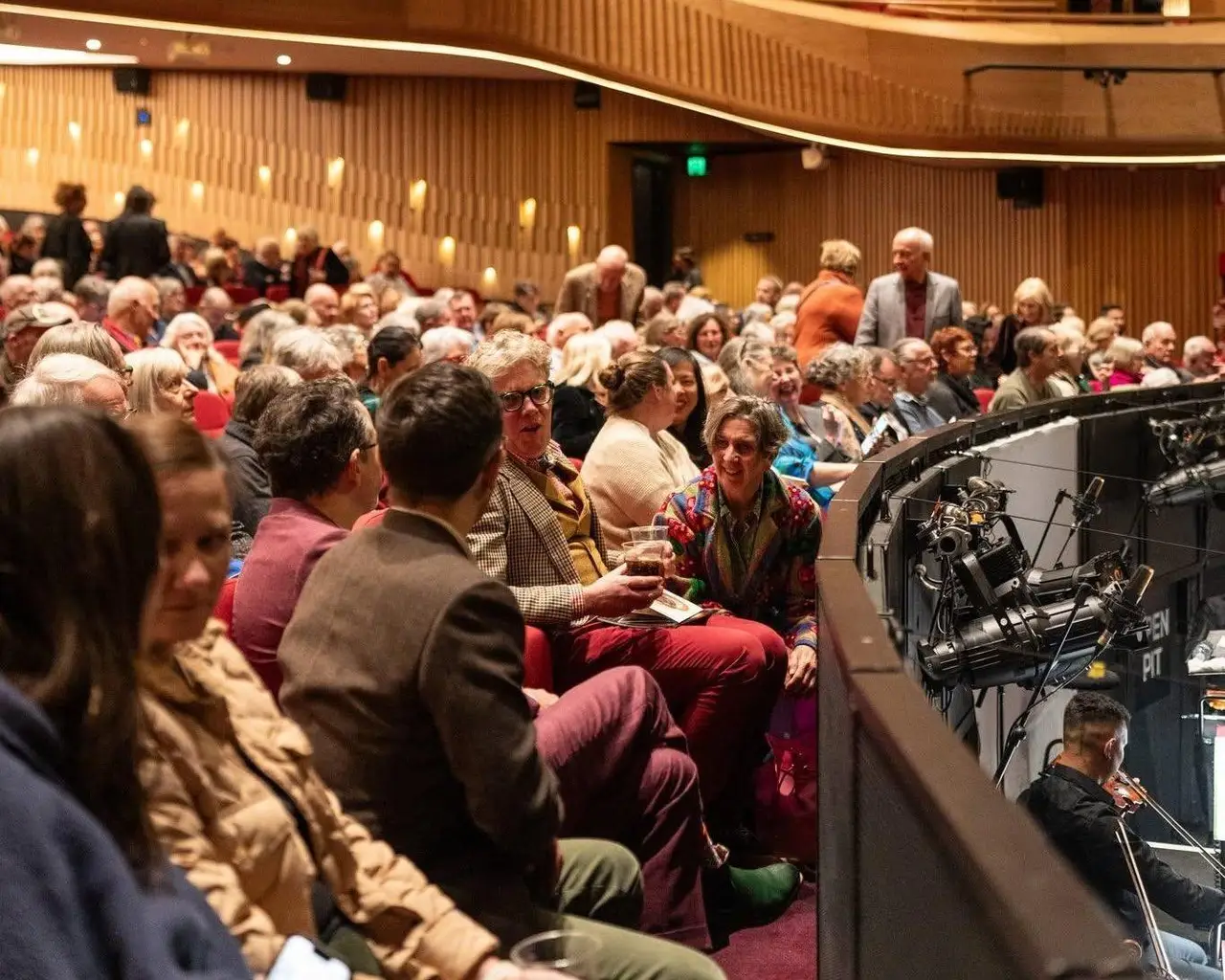

Do I need to dress up?
Only if you want to.
There's no formal dress code for most State Opera performances.
Some people enjoy making a night of it and dressing up. Others come straight from work. You'll see everything from cocktail dresses and jackets to smart casual outfits.
Wear something comfortable and suitable for a night at the theatre.
The only real rule? Wear what makes you feel confident and comfortable.
What if I don't understand opera?
You don't need to understand opera before you come.
The best way to understand opera is to experience it.
Like theatre, film or live music, opera tells stories about people, relationships, conflict, love, family, ambition and adventure. The stories may be centuries old, but the emotions are timeless.
Many first-time visitors are surprised by how accessible it is.
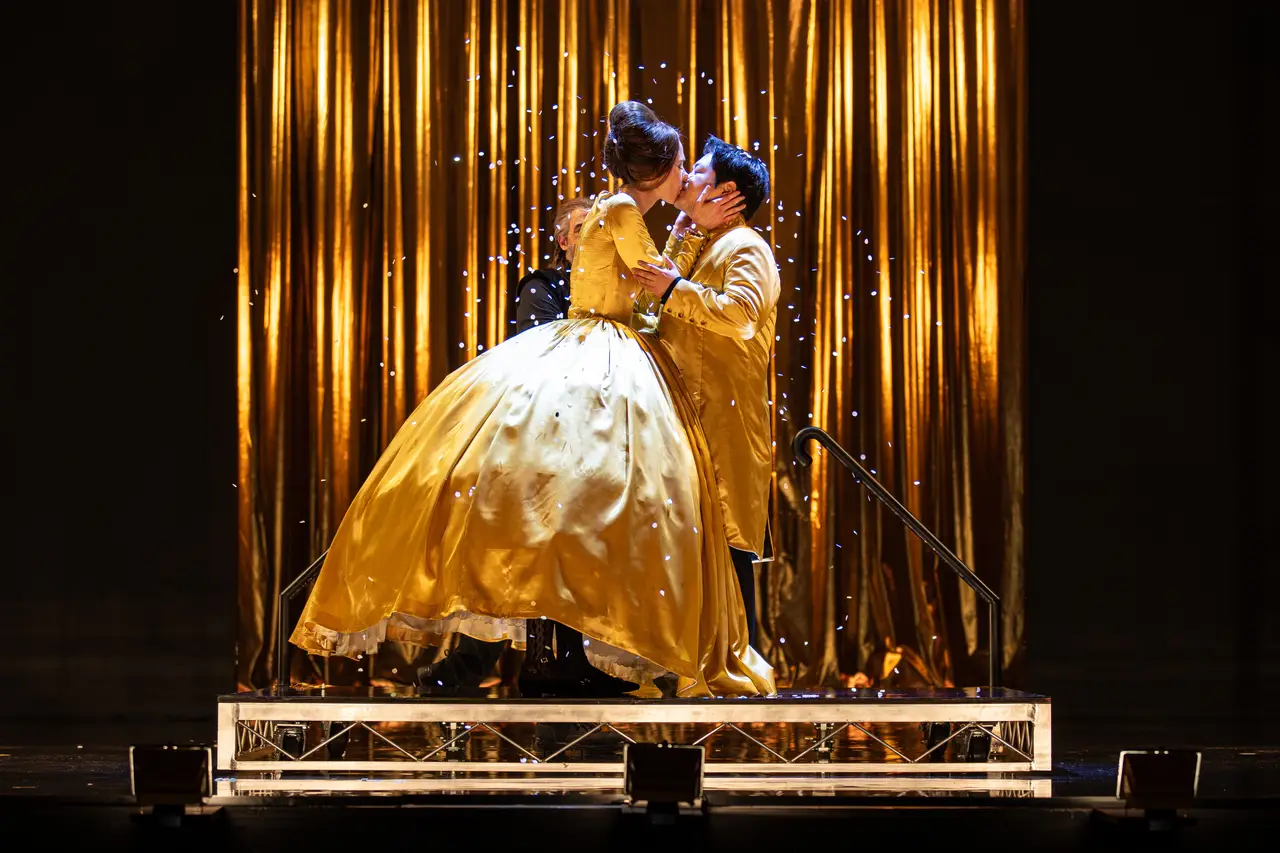
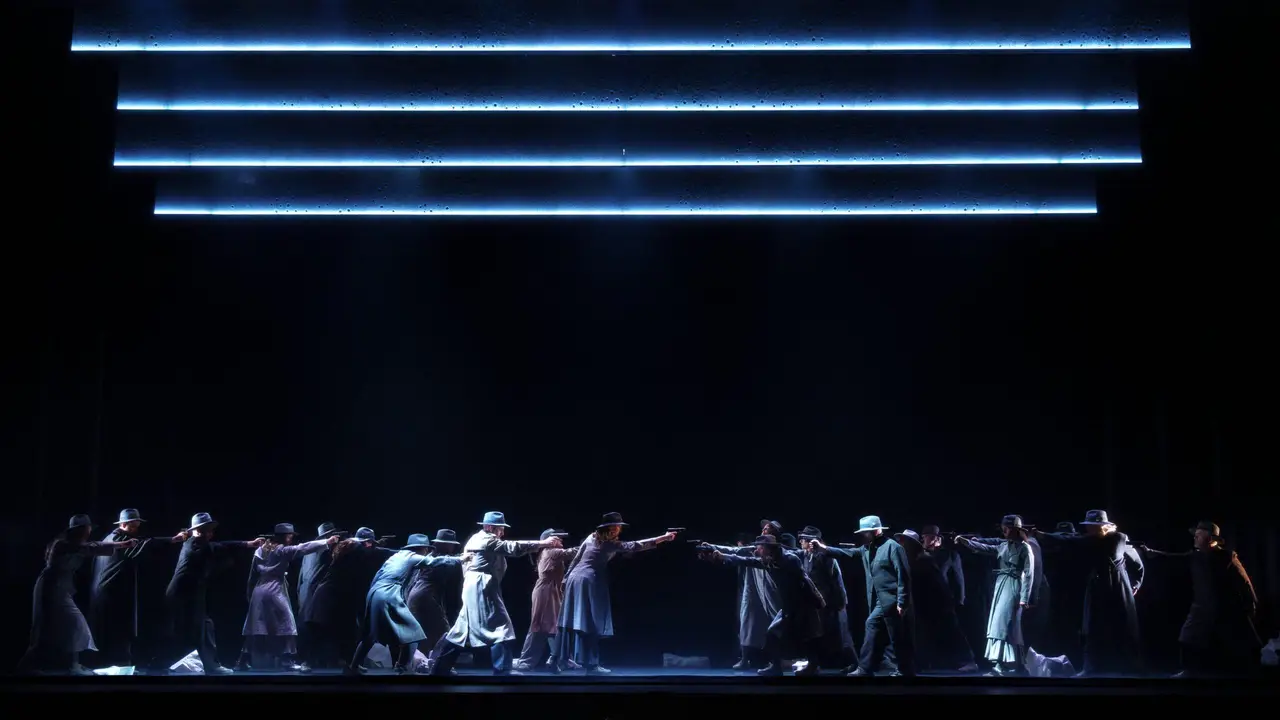
What if it's sung in another language?
Most operas use surtitles.
Surtitles are translations displayed above the stage, similar to subtitles in a film.
You'll be able to follow the story, dialogue and lyrics as the performance unfolds.
In fact, many experienced opera-goers use surtitles too. They're a normal part of the experience.
Do I need to read the story beforehand?
No.
You can if you'd like, but it's not necessary.
Many audience members prefer to discover the story as it unfolds during the performance.
We'll provide information about the production on our website and in the program if you'd like a preview.
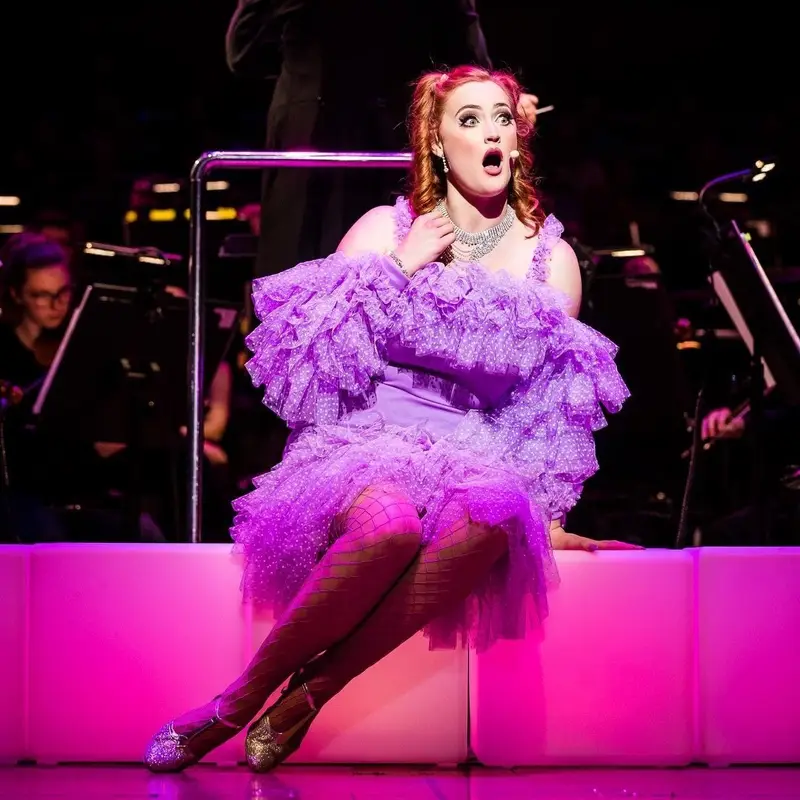
What if I go by myself?
Many people attend opera on their own.
In fact, going solo can be a wonderful way to experience a performance. You can settle into your seat, switch off from the outside world and immerse yourself in the story.
Will people judge me if I don't know when to clap?
No.
If you're unsure, simply follow the audience around you.
Applause usually happens at the end of an act, after a particularly impressive solo performance, and at the end of the show.
Nobody is keeping score.
Is opera only for older people?
Definitely not!
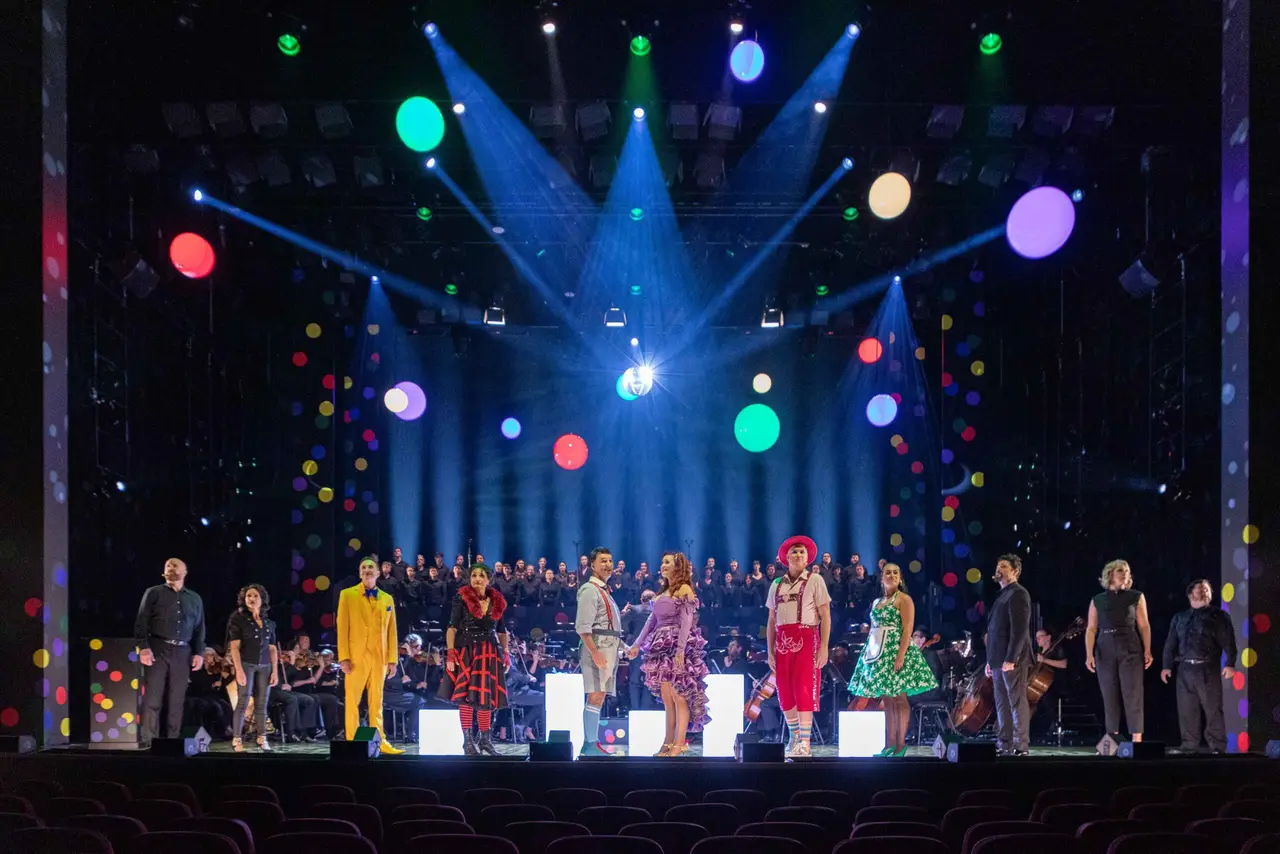
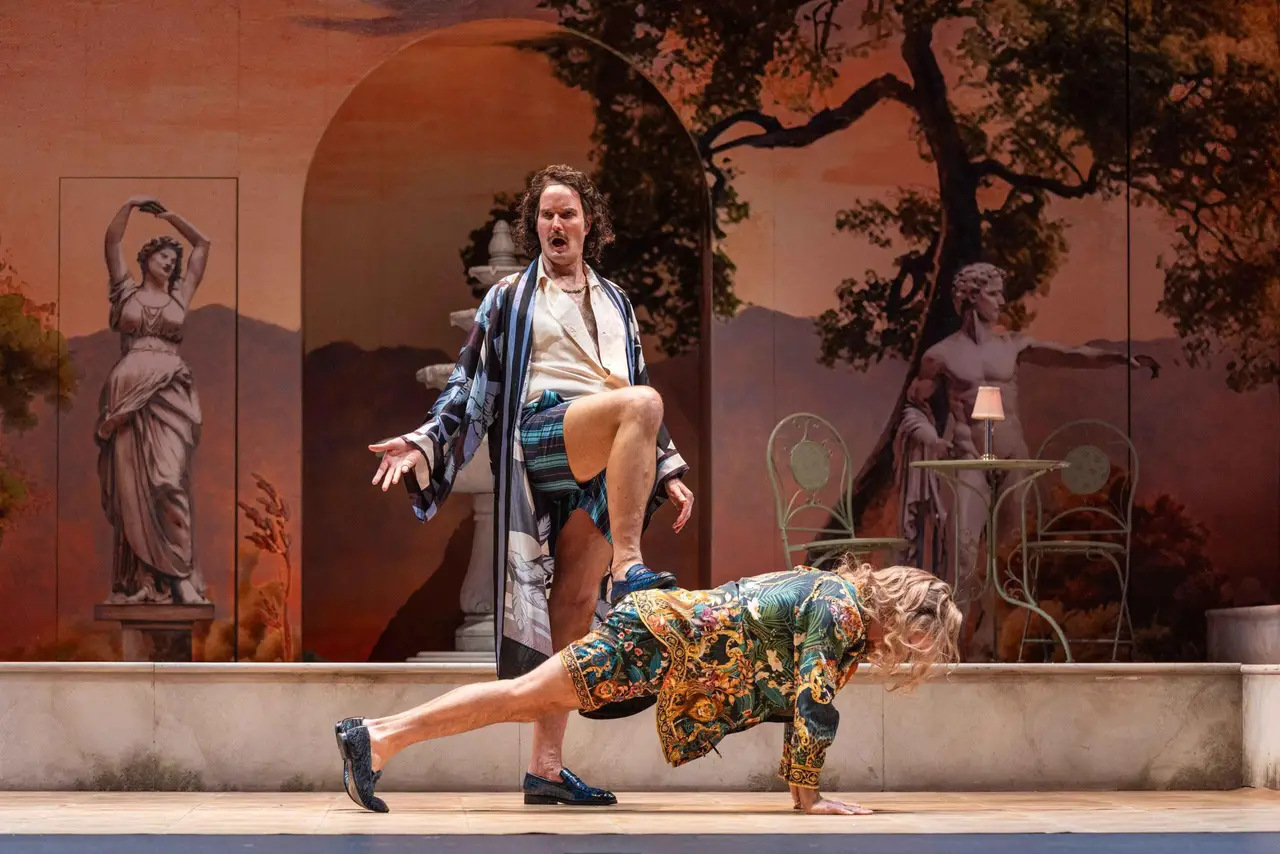
Opera audiences are more diverse than ever, with people attending from all backgrounds, ages and interests.
Whether you're a regular theatre-goer, a live music fan, a student, a first-time arts attendee or simply curious, you'll be welcome.
Are opera performances very long?
Some are. Some aren't.
Performance lengths vary depending on the production.
Running times, including interval information, are always listed before you book, so you'll know exactly what to expect.

Can I have a drink before the show?
Absolutely.
For many people, opera is part of a great night out.
Most venues offer food and beverages before the performance and during interval, making it easy to catch up with friends, enjoy a pre-show drink or discuss the performance during the break.
What's the one thing you wish first-time visitors knew?
You don't need to know anything before you arrive.
You don't need to speak Italian.
You don't need to know the composer's name.
You don't need to understand every musical term.
You simply need to take your seat and enjoy the performance.
The lights go down. The orchestra begins. The story takes over.
We'll take care of the rest.